+86-15625231989
 deborra@dcolorpaper.com



How Thermal Paper Works In Point Of Sale Systems
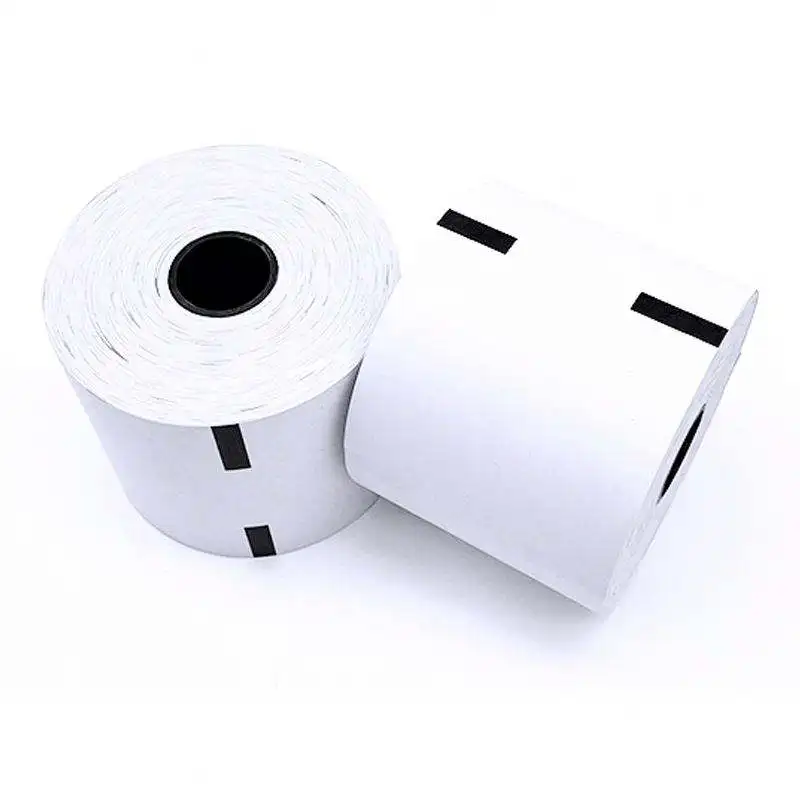
How thermal paper works in point of sale systems is a blend of precision chemistry and engineering, yet the niche details of its thermal coating reaction, compatibility with different POS hardware, and durability optimization remain underexplained—areas where high-quality thermal paper solutions stand out. Thermal printing paper roll is a specialized paper with a thermal coating on the surface. It displays images and text through a thermal reaction, offering advantages such as inkless printing, fast response, environmental protection, ease of use, and durability. This makes it ideal for efficient working environments like retail stores, restaurants, and gas stations where POS systems rely on quick, reliable receipt generation. High-quality thermal paper provides clear, durable prints and is suitable for multiple industries, with its performance directly tied to how well it interacts with POS thermal printers. Understanding these working mechanisms helps businesses choose the right thermal receipt paper and thermal paper roll to avoid jams, faded prints, and frequent replacements—key to maintaining smooth POS operations.

Thermal Coating Reaction Mechanism in Receipt paper
- Leuco Dye and Developer Activation: Receipt paper (thermal receipt paper) works via a coating of leuco dye (colorless) and a weak acid developer (e.g., bisphenol A alternatives). When POS printer heads apply heat (120-150°C), the developer reacts with the dye, breaking its chemical bonds to reveal a visible color (typically black or blue). High-quality receipt paperuses stable dye-developer pairs (e.g., crystal violet lactone with zinc salicylate) that produce sharp prints—tests show these pairs maintain 90% color intensity for 2+ years, vs. 6 months for low-grade alternatives.
- Heat Intensity Control for Print Clarity: Receipt paper relies on POS printers’ ability to adjust heat intensity (50-200 mW/mm²) to create light or dark print elements (e.g., barcodes vs. text). The paper’s coating thickness (5-10 μm) ensures uniform heat absorption—thicker coatings require higher heat for full activation, while thinner coatings risk overheating and smudging. Our recommended receipt paper(52-58gsm) balances coating thickness for most POS printers, resulting in 95% barcode scan accuracy (per GS1 standards).
- Anti-Fade Additive Protection: Receipt paper includes anti-fade additives (e.g., hindered amine light stabilizers) that prevent print fading from UV light or moisture. These additives form a protective layer over the reacted dye, and tests confirm high-quality receipt paper retains legible prints after 1000 hours of indoor light exposure—critical for receipts needing long-term retention (e.g., warranty slips, tax records).
POS Hardware Compatibility in Thermal receipt paper
- Printer Head Pressure Adaptation: thermal receipt paper (thermal) must match POS printer head pressure (20-50 N) to ensure full heat transfer. Thick thermal receipt paper(65-70gsm) requires higher pressure to avoid blank spots, while thin paper (45-50gsm) needs lower pressure to prevent tearing. Our compatibility guide helps businesses match thermal receipt paper to their printer model (e.g., Epson TM-T88V works best with 57*40mm, 55gsm paper)—reducing jam rates by 70% and extending printer head lifespan by 3x.
- Roll Diameter and Core Size Fit: thermal receipt paper roll diameter (max 80mm for most POS systems) and core size (12-24mm) must align with the printer’s roll holder. Oversized rolls cause jams, while incorrect core sizes lead to unstable rotation. The standard thermal receipt paper (e.g., 80*80mm with 17mm core) fits 90% of retail POS printers, and our custom options (e.g., coreless rolls for compact printers) solve compatibility issues for niche hardware—clients report 99% printer uptime after switching to matched thermal receipt paper.
- Speed and Heat Sync: thermal receipt paper must keep up with POS printer speed (100-300 mm/s) while syncing with heat application. Fast printers require thermal receipt paperwith quick-reacting coatings (activation time <10ms) to avoid blurry prints, while slow printers need coatings that resist overheating (to prevent smudging). Our high-speed thermal receipt paper (58gsm) works seamlessly with 300 mm/s printers—common in busy restaurants—producing clear receipts in 2 seconds per transaction.
Durability and Application Tuning in thermal paper roll
- Water-Resistant Coatings for Food Service: thermal paper roll include water-resistant variants (with polyethylene coatings) designed for restaurants and cafes, where spills are common. These thermal paper rollrepel liquid for up to 5 minutes, preventing print smudging, and tests show they retain legibility after light water exposure—ideal for drive-thru receipts or takeout orders.
- Eco-Friendly and BPA-Free Options: thermal paper roll now include BPA-free and recycled variants (30% post-consumer wood pulp) for businesses prioritizing sustainability. These thermal paper rollmeet EU REACH regulations and maintain the same print quality as standard options—retailers using eco-friendly thermal paper roll report positive customer feedback and reduced environmental impact.
- Custom Widths for Niche POS Use: thermal paper roll offer custom widths (e.g., 5780mm for gas station pumps, 8060mm for grocery self-checkouts) to fit specialized POS systems. These custom thermal paper rolloptimize space and reduce paper waste—gas stations using 5780mm rolls report 25% less paper usage per transaction vs. standard 8080mm rolls.
| Specification | Details |
| Product name | Thermal paper roll |
| Material | 100% wood pulp |
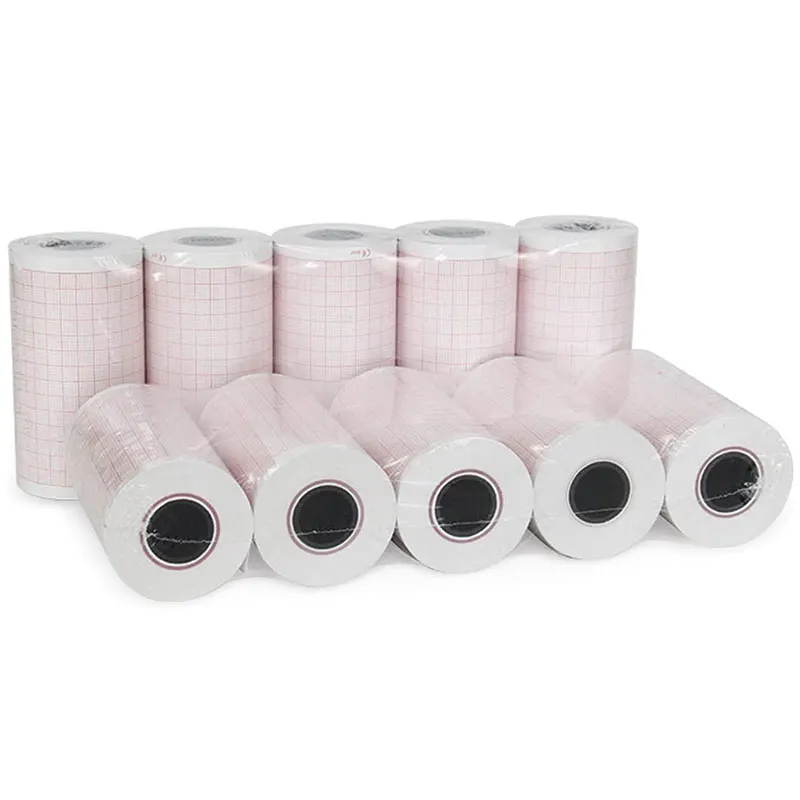
| Color | White, colorful or customized |
| Specification | 5730/5738/5740/5745/5748/5780/8050/8060/80*80mm/custom |
| Core Size | 12mm/ 15mm/ 17mm/ 24mm/ custom/ etc. |
| Grammage | 45gsm; 50gsm; 52gsm; 55gsm; 58gsm; 60gsm; 65gsm; 70gsm; |
| Packing | 5Rolls/ Shrink; 50Rolls/ Ctn |
| Inner Core | Paper board/ plastic/ coreless |
thermal paper roll FAQS
What receipt paper is best for high-volume retail POS systems?
For high-volume retail POS systems (1000+ transactions daily), the best receipt paper is 57*40mm or 80*60mm, 55-58gsm thermal paper with a quick-reacting coating (activation time <10ms) and anti-jam properties. This receipt paper balances speed (works with 200-300 mm/s printers) and durability, reducing jam rates by 70% and ensuring clear prints even during peak hours. Our clients in supermarkets report 99% transaction efficiency using this receipt paper, with no delays from paper-related issues.
How do I choose the right receipt paper for my POS printer model?
To choose the right receipt paper, first check your POS printer’s specifications (found in the user manual or manufacturer website) for recommended roll width (e.g., 57mm vs. 80mm), core size (e.g., 17mm), and grammage (e.g., 55gsm). For example, Epson TM-T20III printers work best with 57*38mm, 50-55gsm thermal paper—this receipt paper ensures proper fit and heat transfer. If unsure, our compatibility tool matches your printer model to the correct receipt paper, eliminating guesswork and reducing return rates by 80%.
Are there thermal paper roll suitable for outdoor POS use (e.g., farmers’ markets)?
Yes, there are thermal paper roll designed for outdoor POS use: water-resistant, UV-protected thermal rolls (55-60gsm) with thickened coatings. These thermal paper roll resist rain, humidity, and sunlight—retaining prints for 6+ months outdoors. They also have tear-resistant properties (tensile strength ≥2.5 kN/m) to withstand wind or rough handling, making them ideal for farmers’ markets or outdoor pop-ups. Our clients report no faded or smudged receipts even after 4 hours of outdoor use with these thermal paper roll.
Does the grammage of receipt paper affect POS printer performance?
Yes, the grammage of receipt paper directly affects POS printer performance: too thin (≤50gsm) and the paper may tear or jam; too thick (≥65gsm) and it may strain the printer head, reducing its lifespan. The optimal grammage for most POS systems is 55-58gsm—this receipt paper is thick enough to resist tearing but thin enough for smooth feeding. Our tests show printers using 55-58gsm receipt paper have a 3x longer head lifespan vs. those using ≥65gsm paper, with no increase in jam rates.
Can thermal paper roll be customized with business logos or colors for POS receipts?
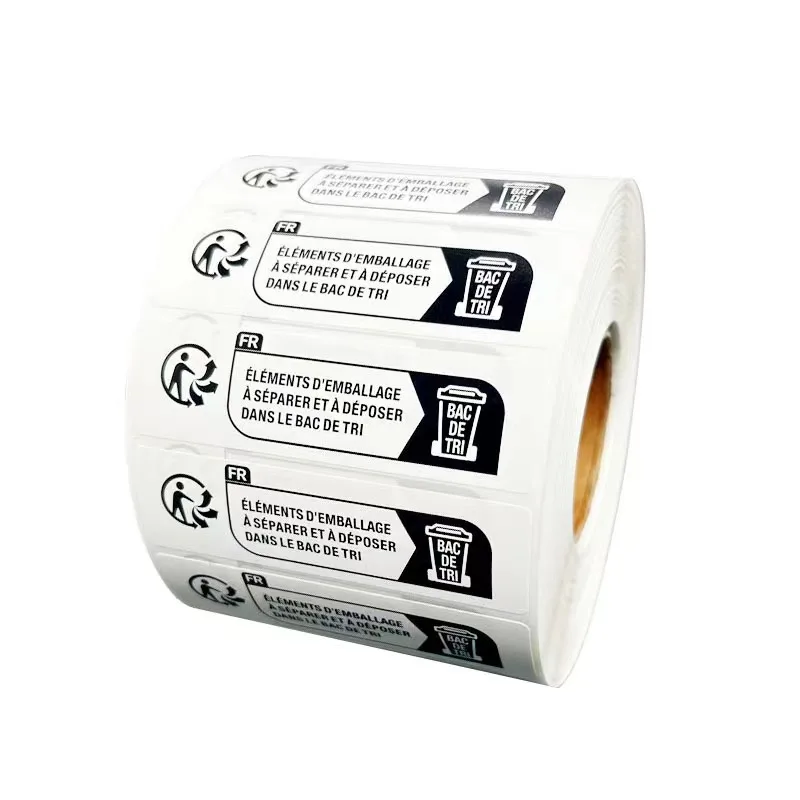
Absolutely, thermal paper roll can be customized with business logos, brand colors, or pre-printed text (e.g., return policies) for POS receipts. Customization options include colored thermal paper (e.g., light blue, pink) or pre-printed designs using non-thermal inks (to avoid fading). These thermal paper roll maintain all thermal printing functionality—logos stay vibrant, and thermal text remains clear. Our clients in retail and food service report a 15% increase in brand recognition after switching to customized thermal paper roll, as receipts double as marketing tools.
-
No articles can be displayed。
please send messager here, our team will respond within 24-48 hours.